
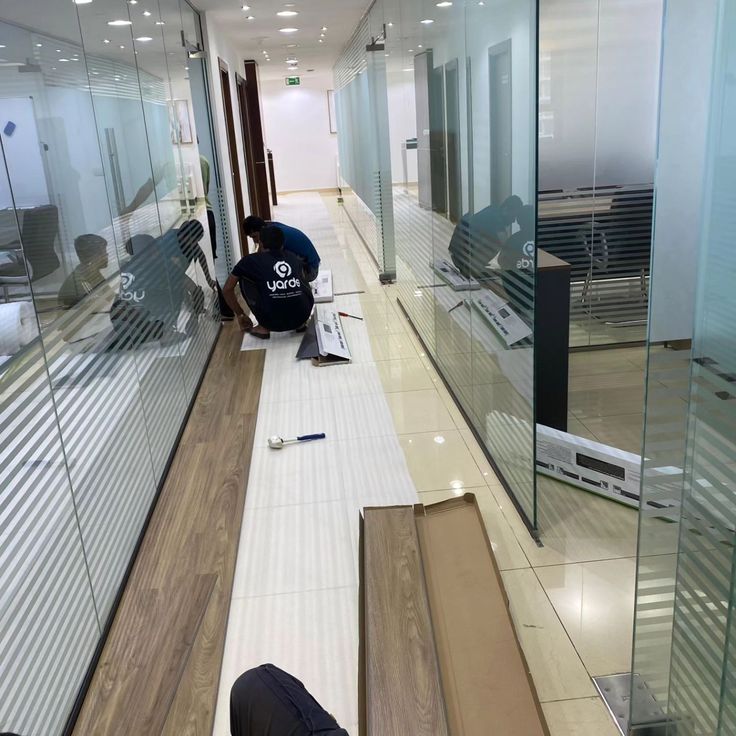
Building renovation often starts with a problem that every property owner eventually faces—spaces become outdated, layouts stop working for modern needs, and structures begin to show signs of wear and inefficiency. At MTS Interiors & Fitout, we understand how overwhelming it can feel when a building no longer supports your lifestyle or business operations. That’s why every successful renovation begins with a clear plan and expert guidance. For consultation or project inquiries, you can contact us at +971507410235. The solution lies in following a structured renovation process that turns confusion into clarity and transforms old spaces into functional, modern environments.
Initial Assessment & Planning
Most renovation problems begin when people jump into construction without properly understanding the condition of the building. Cracks, weak plumbing, poor wiring, and inefficient layouts often remain unnoticed until work begins. The first and most important step in a successful building renovation is a complete assessment of the property. This stage helps identify hidden issues, structural limitations, and improvement opportunities. Along with technical evaluation, this is also the phase where client expectations are carefully understood. Whether the goal is a modern home upgrade or a commercial space redesign, proper planning ensures that every decision moving forward is practical, realistic, and aligned with the overall vision.

Design & Concept Development
Once the problems are clearly identified, the next challenge is turning ideas into a workable design. Many renovation projects fail because the design does not match real-life usage or space limitations. This stage focuses on solving that issue by developing a concept that blends functionality with aesthetics. Interior layouts are reimagined to improve movement, lighting, and usability, while material selection is carefully made to ensure durability and style. Instead of guessing how a space will look after completion, clients get a clear visual direction that removes uncertainty and builds confidence before execution begins.
Budgeting & Cost Estimation
One of the biggest concerns in building renovation is unexpected cost increases that can delay or even stop a project. This usually happens when budgeting is not properly done from the beginning. A successful renovation requires a transparent and detailed cost estimation that covers every aspect, including materials, labor, design changes, permits, and finishing work. This step helps clients understand where their money is going and allows them to prioritize essential upgrades. With a clear budget structure, decisions become easier, and the entire renovation process stays financially controlled without compromising quality.
Approval & Permissions
Many people underestimate the importance of legal approvals, which often leads to project delays and penalties. Before any physical work begins, it is necessary to ensure that all required permissions are obtained according to local building regulations. This step protects the project from legal issues and ensures that the renovation is safe and compliant with standards. Handling approvals early in the process also helps avoid interruptions during construction, keeping the workflow smooth and stress-free for both the client and the execution team.

Demolition & Structural Work
At this stage, the transformation begins, but it often comes with challenges if not handled carefully. Removing old structures can reveal unexpected damage or weak points in the building that were not visible earlier. This phase focuses on safely clearing outdated elements while protecting the core structure of the building. If any structural strengthening is required, it is addressed immediately to ensure long-term stability. Proper execution during demolition and structural work sets the foundation for everything that follows in the renovation process.
Renovation Execution
This is the stage where plans finally turn into reality, and the vision starts to take shape. However, it is also the most complex phase, as multiple tasks such as electrical work, plumbing upgrades, flooring installation, wall finishing, and ceiling design happen simultaneously. Without proper coordination, this stage can quickly become disorganized. A professional renovation approach ensures that each task is executed in a proper sequence, maintaining quality and consistency throughout the project. Regular supervision and attention to detail are key to achieving a flawless result that matches the original design concept.
Final Inspection & Handover
Even after all construction work is completed, the job is not truly finished until a thorough inspection is done. Many small issues such as finishing touches, alignment problems, or minor adjustments are only noticed at this stage. A detailed quality check ensures that everything meets the expected standards and functions properly. Once all corrections are made, the project is carefully handed over to the client. This final step is important because it ensures that the renovated space is not only visually complete but also fully ready for safe and comfortable use.
Conclusion
A successful building renovation is never just about construction—it is about solving problems that have built up over time and turning them into opportunities for better living or working spaces. When each step is handled with proper planning, design thinking, and professional execution, the result is a space that feels new, functional, and valuable. At MTS Interiors & Fitout, we focus on delivering renovation solutions that transform buildings with precision, care, and long-lasting quality.
Frequently Asked Questions
What is the first step in a building renovation project?
The first step is proper planning, which includes assessing the current condition of the building, defining renovation goals, and setting a realistic budget and timeline.
Do I need permission or permits for building renovation?
Yes, in most cases you need local authority approvals or permits, especially for structural changes, electrical work, or plumbing modifications.
How do I estimate the cost of a renovation project?
Costs are estimated based on materials, labor, design complexity, and project size. A contractor or renovation expert can provide a detailed cost breakdown after inspection.
How long does a typical building renovation take?
The timeline depends on the project scope. Small renovations may take a few weeks, while full building renovations can take several months.
Why is hiring a professional contractor important for renovation?
A professional contractor ensures quality work, follows safety standards, manages permits, and helps avoid costly mistakes during the renovation process.



2 Responses
Finally found a place that actually delivers on its promises. The registration process was a breeze and the customer support is top notch. Five stars from me. ecuabwtec
Thank You for your Appreciation.