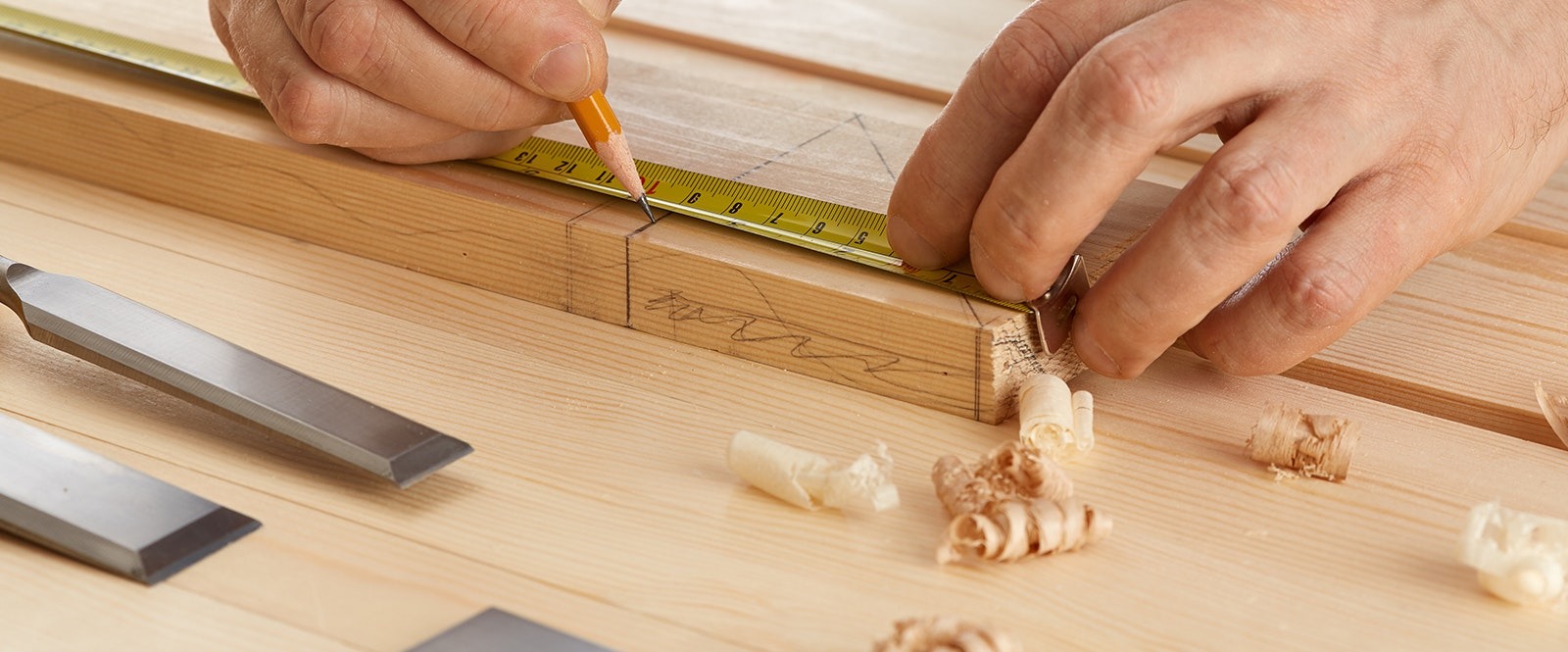
Walk into any furniture showroom or scroll through a few home renovation pages online, and you will quickly notice that everyone seems to have a strong opinion about wood — this one is “premium,” that one is “cheap,” this one “warps in humidity,” that one “lasts forever.” For someone who simply wants a wardrobe that will still look good in ten years, or a kitchen that can survive daily cooking and cleaning, this flood of conflicting opinions can be genuinely confusing, and worse, it can lead to spending money on the wrong material entirely. This is one of the most common questions our clients bring to MTS Interiors & Fitout during the planning stage of their Carpentry & Wooden Work projects, and it is a fair one to ask before committing to anything, because the wood behind your furniture matters just as much as the design in front of it. If you would rather skip the research and talk directly to someone who can recommend the right material for your specific space and budget, you can reach our team anytime at +971507410235. But if you want to understand the reasoning first, so that whatever you choose is a decision and not a guess, let’s walk through it properly.
Why the Type of Wood Matters More Than People Realize
It is tempting to think of wood choice as a purely aesthetic decision, something to settle based on which color or grain pattern looks nicest in a sample book. In reality, the type of wood used in your furniture or wooden work quietly determines almost everything about how that piece will perform over the years ahead. It affects how well the furniture handles humidity and temperature changes, which matters enormously in climates with hot, dry summers and occasional damp seasons. It determines how much weight a shelf or cabinet can bear without sagging, how resistant a surface is to scratches and dents from daily use, and how the piece will age — whether it develops a rich patina over time or simply looks tired and worn. It also has a direct impact on cost, since some woods are naturally more expensive due to their durability, rarity, or the labor involved in working with them. Understanding these differences before you commit to a material is what separates furniture that becomes a long-term investment from furniture that quietly disappoints within a couple of years.
Solid Wood: The Traditional Choice for Longevity
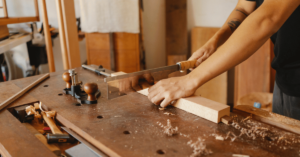
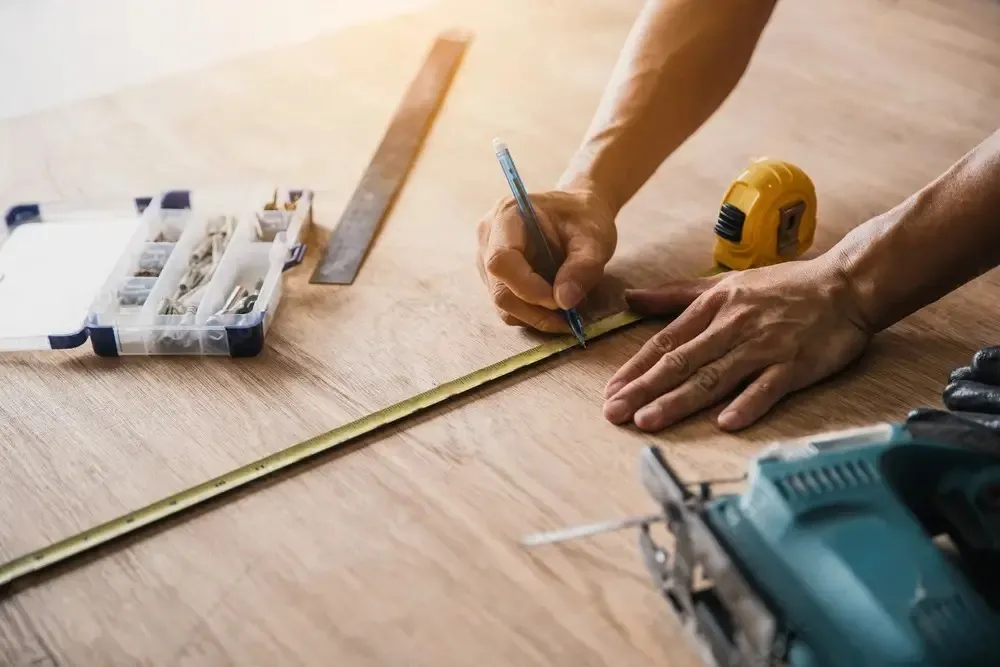
Solid wood remains the benchmark against which most other materials are compared, and for good reason. Furniture built from solid timber, whether teak, oak, walnut, or mahogany, tends to be remarkably durable, capable of being sanded, refinished, and repaired multiple times over its lifespan rather than being discarded at the first sign of wear. It carries a natural richness in grain and texture that engineered alternatives struggle to fully replicate, which is why solid wood pieces often become the standout item in a room rather than blending into the background. That said, solid wood does respond to its environment, expanding and contracting slightly with changes in humidity, which is why proper seasoning and skilled craftsmanship during construction matter so much in ensuring it does not warp or crack over time. It is also, understandably, one of the more expensive options, which is why many clients choose to use solid wood selectively — for statement pieces like dining tables or feature panels — while using other materials for less visible structural elements.
Plywood: The Practical Workhorse of Modern Carpentry
Plywood has earned its reputation as the practical backbone of modern carpentry, and it is the material most commonly used in wardrobes, kitchen cabinets, and everyday furniture across homes and offices. Made by layering thin sheets of wood veneer and bonding them under pressure, plywood gains a strength and stability that solid wood does not naturally have, resisting warping and cracking far better while still being lighter and more cost-effective to work with. This stability makes it particularly well suited to humid environments and to furniture pieces that need to hold their shape precisely, such as cabinet carcasses and shelving units that must remain perfectly square over years of use. Plywood also takes veneer and laminate finishes beautifully, which means it can be dressed up to look remarkably close to solid wood at a fraction of the cost, making it a favorite among carpenters who need to balance client budgets with long-term durability.
MDF: Smooth Finishes at an Accessible Price
Medium-density fiberboard, more commonly known as MDF, has become a popular choice wherever a perfectly smooth, uniform finish is the priority, particularly for painted cabinetry, decorative moldings, and furniture with intricate detailing. Made from wood fibers combined with resin and pressed into dense, consistent sheets, MDF has no grain pattern to fight against, which makes it an excellent surface for paint finishes that need to look flawless rather than showing the natural texture of wood underneath. It is also considerably more affordable than solid wood or high-grade plywood, which makes it attractive for larger projects where budget needs to be managed carefully across many pieces. The trade-off is that MDF is heavier than plywood and more vulnerable to moisture, since it can swell or lose structural integrity if it is exposed to water for extended periods, which is why it works best in drier areas of a home rather than in bathrooms or exterior-facing spaces.
Engineered Wood and Veneers: Combining Beauty with Stability
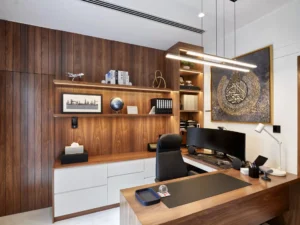
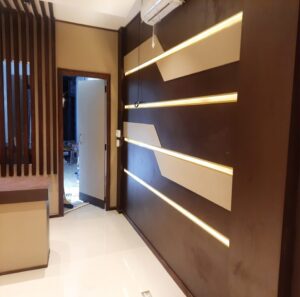
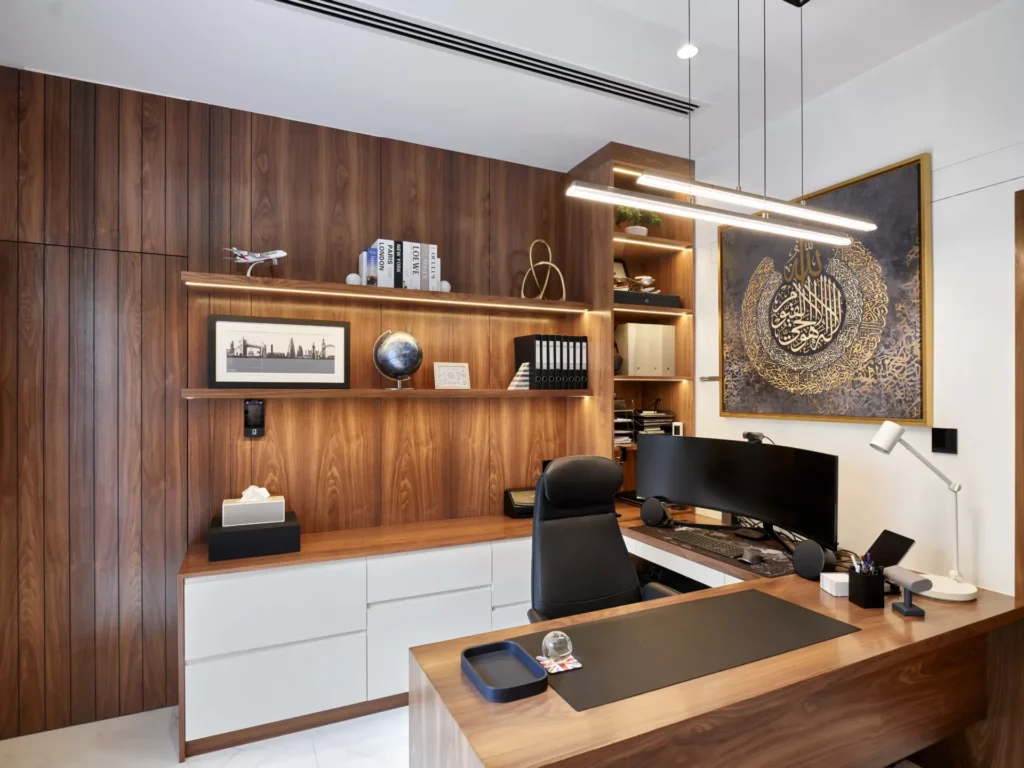
Engineered wood, along with the use of natural veneers layered over more stable core materials, has become an increasingly popular middle ground for clients who want the visual richness of natural wood without its higher cost or susceptibility to movement. A veneer is a thin slice of natural wood bonded onto a plywood or engineered core, allowing furniture to display genuine wood grain and color on the surface while relying on the underlying material for structural stability. This approach lets clients enjoy the look of expensive woods like walnut or rosewood at a more accessible price point, while also gaining the dimensional stability that comes from a well-engineered core. It has become especially popular in feature walls, wardrobe shutters, and TV units, where the visual impact of natural wood matters most but full solid wood construction would be prohibitively expensive or impractical for the size of the piece.
How to Choose the Right Wood for Your Specific Project
Choosing the right wood ultimately comes down to matching the material to how a piece will actually be used, rather than simply picking whatever looks best in isolation. A dining table that will host family meals for the next twenty years justifies the investment in solid wood, while the internal structure of a wardrobe that no one will ever see is far better served by cost-effective, stable plywood. Kitchen cabinetry, given its constant exposure to moisture, heat, and daily handling, benefits from moisture-resistant plywood cores paired with durable laminate or veneer finishes rather than materials prone to swelling. Statement pieces meant to anchor a room, such as a feature wall or a signature console table, are ideal candidates for veneer finishes that deliver the visual richness of natural wood without the associated cost of full solid timber construction. Budget, climate, and how heavily a piece will be used in daily life should always guide this decision, and this is precisely the kind of assessment our team walks through with every client before recommending a material.
Our Approach at MTS Interiors & Fitout
We have found that clients make the best long-term decisions when they understand the trade-offs involved rather than simply being told what to buy, which is why material selection is never a rushed conversation in our process. Before recommending anything, we take the time to understand how a space will actually be used day to day, what budget you are working with, and what balance of durability, aesthetics, and cost matters most to you. We source materials with a clear focus on quality and consistency, ensuring that whether we are working with solid teak, marine-grade plywood, or a carefully selected veneer, the finished piece performs as well as it looks. And because we build furniture and wooden work meant to last, we stand behind our material choices with the same seriousness we bring to design and craftsmanship, because a beautiful piece that fails in two years serves no one well. If you are currently weighing your options for an upcoming project, our team is easy to reach at +971507410235, and we are glad to talk through what material makes the most sense for your specific space.
Final Thoughts
There is no single “best” wood for every situation, and anyone who tells you otherwise is oversimplifying a decision that genuinely deserves more thought. The right material depends on what the piece needs to do, where it will live, and how much you are willing to invest upfront versus over its lifetime, and understanding these trade-offs is what allows you to make a choice you will still be happy with years down the line. Whether you are drawn to the timeless character of solid wood, the practicality of plywood, the affordability of MDF, or the refined look of veneer, MTS Interiors & Fitout is ready to guide you through the decision with honest advice rather than a one-size-fits-all recommendation.
If you would like to discuss the right wood for your next furniture or carpentry project, reach out to MTS Interiors & Fitout at +971507410235 for a consultation tailored to your space and budget.
Frequently Asked Questions
Which type of wood is best for kitchen cabinets?
Moisture-resistant plywood is generally the best choice for kitchen cabinet carcasses, since it holds its shape well in the heat, steam, and daily handling a kitchen involves, and it can be paired with a laminate, veneer, or acrylic finish for the visible shutters. Solid wood can also be used for kitchen fronts if properly sealed and maintained, but plywood remains the more practical and cost-effective choice for the structure itself.
Is plywood better than solid wood for furniture?
Neither is universally “better,” since they serve different purposes. Solid wood offers unmatched character, longevity, and the ability to be refinished repeatedly, making it ideal for statement pieces, while plywood offers superior dimensional stability, resistance to warping, and a lower cost, making it the smarter choice for structural elements like wardrobe carcasses and cabinet frames that will not be visible.
What is the difference between MDF and plywood?
MDF is made from compressed wood fibers and resin, giving it a smooth, uniform surface that is excellent for painted finishes and detailed molding, but it is heavier and more vulnerable to moisture. Plywood is made from layered wood veneers bonded together, making it stronger, lighter, and more moisture-resistant, which is why it is generally preferred for structural furniture components in humid climates.
Is veneer furniture as good as solid wood furniture?
Veneer furniture uses a thin layer of natural wood bonded over a stable plywood or engineered core, giving it the appearance of solid wood at a lower cost and with better resistance to warping. While it does not offer the same ability to be sanded and refinished multiple times as solid wood, high-quality veneer work can look virtually identical to solid timber and performs very well for feature pieces like wardrobe shutters and TV units.
Which wood is most suitable for hot and humid climates?
Woods and materials with strong moisture and heat resistance tend to perform best in these conditions, which is why marine-grade or moisture-resistant plywood is commonly recommended for structural components, while solid woods like teak are prized for their natural resistance to humidity and pests. MDF, by contrast, is best kept away from areas with high moisture exposure, such as bathrooms or spaces near water sources.
Does the type of wood affect how long furniture will last?
Yes, significantly. Solid wood, when properly maintained, can last for generations and can be refinished as it ages, while plywood offers strong day-to-day durability and stability but is not typically refinished in the same way. MDF, while attractive and affordable, generally has a shorter practical lifespan, particularly in humid conditions or with heavy daily use.
How do I know which wood is right for my project?
The right choice depends on how a piece will be used, the climate it will sit in, and your budget, which is why we recommend discussing your specific project with a professional before deciding. Our team at MTS Interiors & Fitout walks every client through this decision individually, and you can reach us at +971507410235 for a consultation tailored to your space.