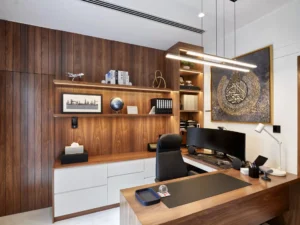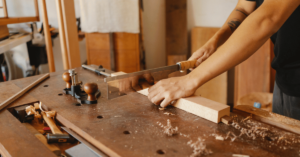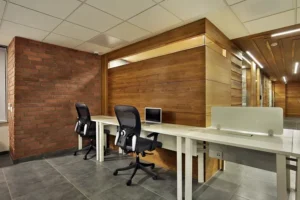
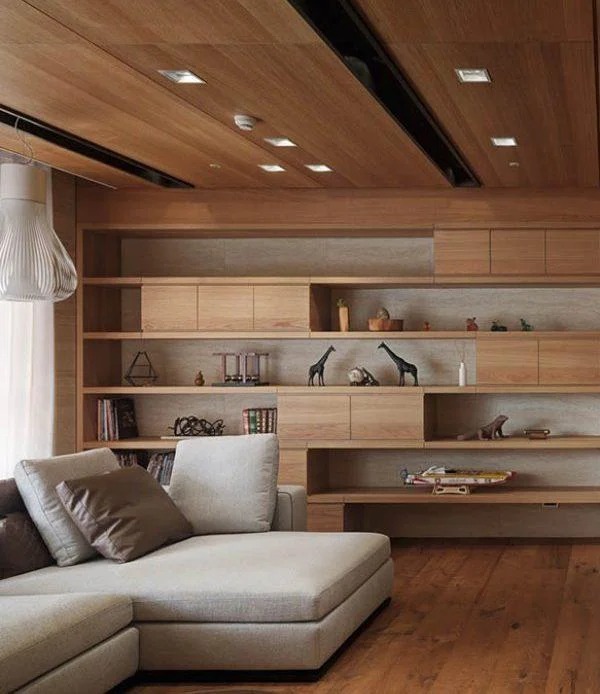
There is a particular kind of anxiety that sets in the moment you decide to renovate your home or fit out your office. You have picked your colors, chosen your furniture style, maybe even saved a hundred inspiration photos on your phone — and then the question hits you: how long is this actually going to take? Will it be done in time for the wedding, the move-in date, the office opening, the birthday party you already promised your daughter would be in her new room? This uncertainty is one of the most stressful parts of any renovation, and when the work involves Carpentry & Wooden Work, it is usually made worse by contractors who either give vague answers or promise timelines they have no intention of keeping. At MTS Interiors & Fitout, we hear this concern constantly, and we would rather solve it with honesty than hide behind guesswork — if you want to skip ahead and just ask us directly about your specific project, you can call or WhatsApp us anytime at +971507410235. But if you would like to understand why carpentry timelines vary so much, and what genuinely affects them, read on, because the answer is more interesting than a single number.
Why Carpentry Timelines Vary So Much
The honest truth is that no two carpentry projects are the same, even when they sound identical on paper. A “custom wardrobe” for one client might mean a simple two-door unit in laminate finish, while for another it means a walk-in closet with hand-finished veneer, integrated lighting, and hardware imported from three different countries. This is precisely why carpentry, unlike buying furniture from a showroom, cannot be quoted with a single universal timeline. When we sit down with a client, the first thing we consider is the scope of the work itself — is this one piece, one room, or an entire property? From there, design complexity plays a huge role, because intricate detailing, custom joinery, and specialty finishes simply take longer to execute well than clean, simple designs. Material availability is another quiet but powerful factor; certain woods, veneers, or hardware pieces are not sitting on a shelf waiting to be used, and if they need to be sourced or imported, that adds real time to the schedule. Then there is the condition of the site itself, since carpentry rarely happens in isolation — it often needs electrical work, flooring, or civil work to reach a certain stage first. And finally, there is something surprisingly human that affects timelines more than people expect: how quickly design decisions get approved. A client who reviews and confirms drawings within a day keeps the whole project moving, while back-and-forth revisions, however understandable, naturally push the calendar forward.
General Timeline Estimates by Project Type
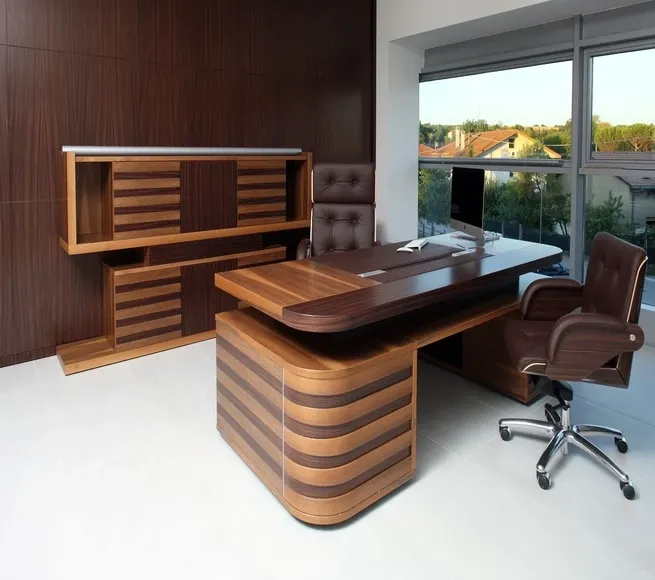
Once we understand what actually drives a carpentry timeline, it becomes much easier to talk in realistic ranges rather than empty promises. For small custom pieces such as a single wardrobe, a TV console, or a study table, most projects are completed within one to two weeks, since these involve straightforward measurements, familiar materials, and relatively simple installation. Kitchen cabinets and full wardrobe systems sit in a different category altogether, usually taking between three and five weeks, because this level of work involves more detailed planning around hardware selection, finish coordination, and precise on-site fitting, along with the design approval process that naturally happens before production even begins. When we move into full home wooden work — wardrobes, kitchen units, TV units, and wood paneling across an entire property — the timeline typically stretches to six to ten weeks, largely because carpentry now has to be carefully sequenced alongside electrical and civil work happening in parallel. Commercial fit-outs and office woodwork sit at the larger end of the spectrum, often taking eight to sixteen weeks, simply because of the sheer volume of custom work involved and the coordination required across multiple contractors working on the same space at the same time. These figures are general industry benchmarks, and while they give you a realistic sense of scale, every project we take on at MTS Interiors & Fitout is assessed individually, because your space and your requirements deserve a timeline built around them, not around an average.
The Typical Stages of a Carpentry Project
Understanding why timelines vary is easier once you understand what actually happens behind the scenes of a carpentry project, because it is rarely just “measuring and building.” Every project we run begins with a consultation and site visit, where our team physically walks through your space to understand its dimensions, quirks, and your vision for how it should ultimately feel and function. From there, we move into design and material selection, a stage where layouts are finalized, wood types are chosen, and finishes and hardware are decided upon in detail, since these choices shape everything that follows. Before a single piece of wood is cut, we bring the design back to you for client approval, presenting drawings or 3D renders so that what gets built matches exactly what you had in mind, with no unpleasant surprises later. Once approved, the project enters fabrication, where our workshop team handles the cutting, shaping, and assembling of each piece with the kind of attention that only comes from experienced hands. The finished work then moves to on-site installation, where it is carefully fitted into your actual space, and finally, every project closes with a stage of final finishing and quality checks, involving polishing, small adjustments, and a walkthrough with you to make sure everything meets both our standards and yours. In our experience, the stage most likely to cause unexpected delays is not fabrication or installation, but the approval stage — the faster a client is able to finalize their design choices, the smoother and faster everything that follows tends to move.
Factors That Can Speed Things Up (or Slow Them Down)
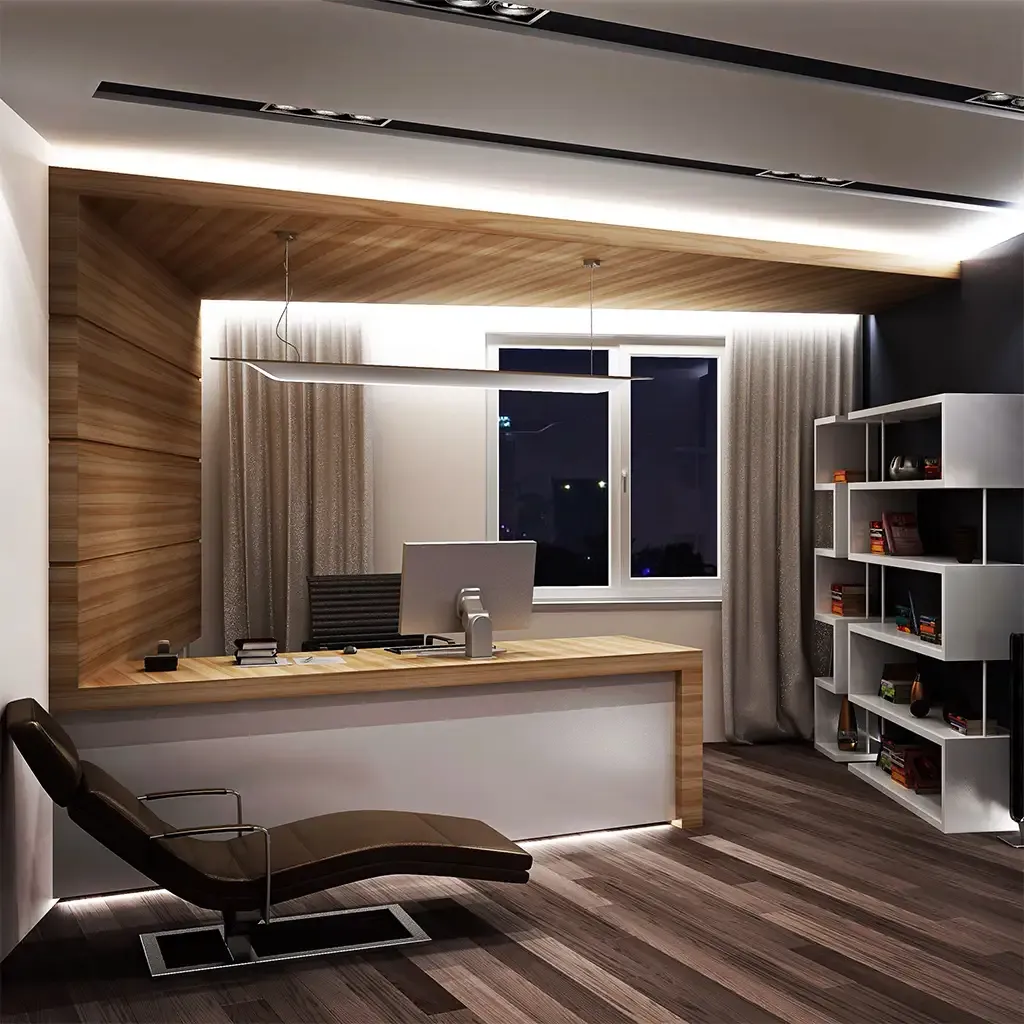
Every carpentry project sits somewhere on a spectrum between “went exactly as planned” and “took longer than expected,” and the difference usually comes down to a few recurring factors rather than bad luck. Projects tend to move fastest when a client arrives with a clear brief and reference images from the very start, because this removes a great deal of guesswork from the design phase and lets our team move straight into meaningful conversations about materials and layout. Quick decision-making on finishes and materials also makes an enormous difference, since every day spent deliberating between two similar wood tones is a day added to the overall schedule. Site readiness matters just as much — when a space is accessible for accurate measurements and later for installation, without other trades still working in the way, carpentry can proceed without the frustrating start-stop rhythm that otherwise slows things down. On the other hand, certain factors reliably introduce delays, and the most common one we see is a design change requested midway through production, which, however small it may feel to the client, often means reworking something that was already underway. Imported or custom-ordered materials, while sometimes worth the wait for the right finish, inherently extend the timeline simply due to shipping and availability. Site access issues, such as construction delays from other contractors, can hold up carpentry even when our team is fully ready to work. And perhaps most avoidably, projects that begin with unclear or incomplete requirements often end up needing revisions later that could have been addressed at the very start with a more thorough initial conversation.
Our Approach at MTS Interiors & Fitout
We have worked with enough clients over the years to know that uncertainty is often more stressful than the renovation itself, and that is the gap we have made it our priority to close. From the very first meeting, we focus on transparent scheduling, laying out clear milestones so you always know what stage your project is at and what comes next, rather than being left to wonder. We are also committed to giving realistic timelines based on your specific project rather than a generic promise designed to sound impressive in a sales pitch, because we would rather earn your trust with accuracy than lose it with disappointment. If anything does shift along the way — and in construction, something occasionally will — we believe in proactive communication, reaching out to explain what has changed and why, instead of letting you find out on your own. Above all, we hold firmly to the idea that quality should never be rushed, because well-made carpentry is meant to serve your home or office for decades, not just look impressive in the first few months. If any of this resonates with a project you are currently planning, our team is genuinely easy to reach at +971507410235, and we would be glad to talk through what your specific timeline might look like.
Final Thoughts
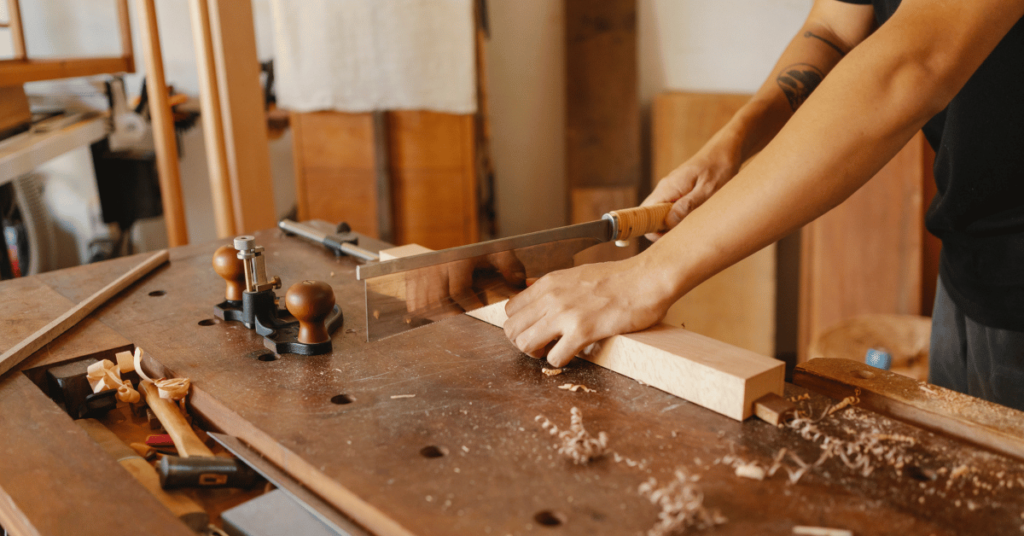
There is no single, tidy answer to “how long will my carpentry project take,” and honestly, anyone who gives you one number without first understanding your space and your requirements is probably guessing. What we can offer instead is a reliable process — a team that visits your site, listens to what you actually need, and gives you a clear, honest timeline before any work begins, so you can plan the rest of your life around it with confidence rather than crossed fingers. Whether you are picturing a single custom piece or a complete wooden fit-out for your home or office, MTS Interiors & Fitout is ready to walk you through every stage of the process, set expectations you can actually rely on, and deliver craftsmanship built to last well beyond the day it is installed.
If you are ready to talk through your project, reach out to MTS Interiors & Fitout at +971507410235 for a consultation and a timeline built specifically around your space.
Frequently Asked Questions
How long does it take to build a single piece of custom furniture, like a wardrobe or TV unit?
A single custom piece such as a wardrobe, TV console, or study table typically takes about one to two weeks from final measurement to installation, assuming the design is simple and the materials chosen are readily available. This timeline can extend slightly if you opt for specialty finishes or hardware that needs to be sourced specifically for your piece.
Why does carpentry take longer than buying ready-made furniture?
Ready-made furniture is mass-produced and already sitting in a warehouse, while custom carpentry is designed, measured, and built specifically for your space and your preferences. That extra layer of design consultation, material selection, and precise on-site fitting is exactly what makes custom work take longer, but it is also what makes it fit your home perfectly rather than approximately.
Does the type of wood I choose affect the project timeline?
Yes, quite significantly. Commonly available woods and finishes can move into production almost immediately, while imported timbers, specialty veneers, or custom-ordered hardware often involve shipping and procurement time that adds directly to your overall schedule. If your timeline is tight, discussing material availability early on can help you make a choice that balances aesthetics with speed.
Can I speed up my carpentry project once it has started?
The most effective way to keep a project moving quickly is to avoid mid-project design changes and to respond promptly when design drafts or material samples are sent to you for approval. Once fabrication has begun, changes to the design usually mean reworking completed sections, so the biggest opportunity to save time is actually before production starts, not during it.
What causes unexpected delays in most carpentry projects?
In our experience, the most common causes of delay are late design approvals, requests for changes after fabrication has begun, sites that are not yet ready for measurement or installation because other trades are still working, and materials that need to be specially ordered. Most of these can be avoided with clear planning and prompt decision-making at the start of the project.
How does carpentry timeline coordination work when other contractors are also working on my property?
Carpentry rarely happens in isolation, especially in full home renovations or fit-outs, since wardrobes, kitchen units, and paneling often depend on electrical and civil work reaching a certain stage first. At MTS Interiors & Fitout, we coordinate closely with other trades on-site and build our schedule around realistic site readiness, rather than assuming everything will be perfectly in place on a fixed date.