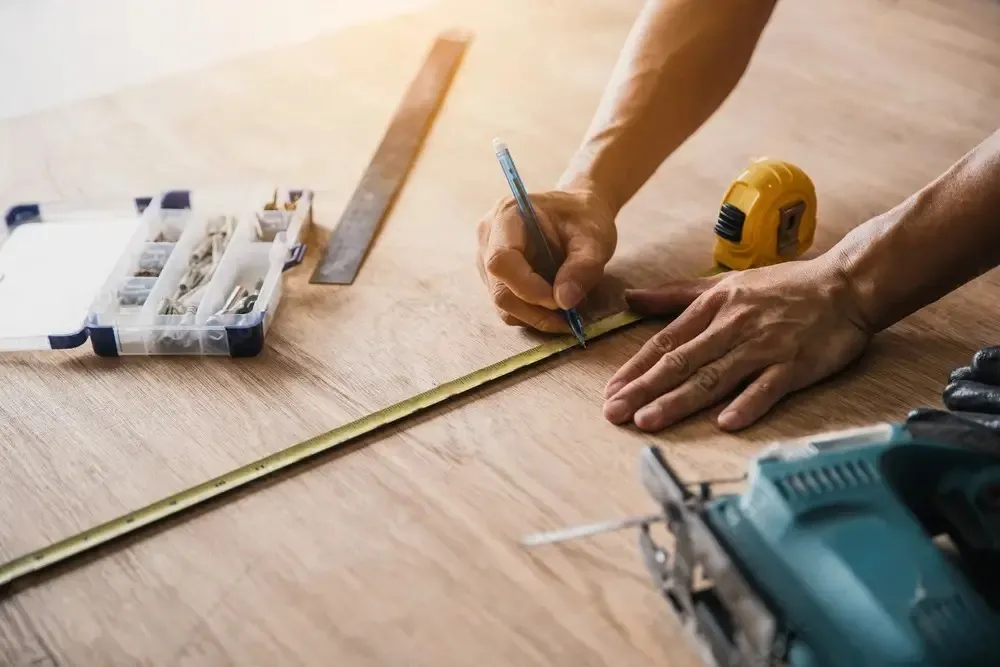
Most people have walked into a room that has all the right furniture, yet somehow still feels off, a cabinet that doesn’t quite reach the ceiling, a wardrobe with an awkward gap beside it, or shelving that leaves an oddly shaped corner unused. It’s a strange kind of disappointment because nothing is technically wrong, the furniture works, it’s just never quite designed for the space it sits in. This mismatch is more common than most people realize, and it happens because ready-made furniture is built for an imagined average room rather than the actual one in front of you. This is exactly the problem custom wooden work and carpentry was designed to solve, and it’s why homeowners and businesses increasingly turn to experienced teams like MTS Interiors & Fitout, reachable directly at +971507410235, to have furniture and fittings built specifically for their space rather than settling for something that merely gets close.
Why Off-the-Shelf Furniture Rarely Fits Right
The issue isn’t that mass-produced furniture is poorly made in a general sense, it’s that it was never designed with your specific room in mind. Standard cabinet widths, generic shelf heights, and one-size-fits-all wardrobe dimensions are built to work reasonably well across thousands of different homes, which in practice means they rarely fit any single space perfectly. Uneven walls, low ceilings, structural columns, or simply an unusually shaped room all become obstacles that ready-made furniture wasn’t built to navigate. On top of the physical mismatch, there’s often a stylistic one too, since factory furniture is limited to a narrow set of finishes and designs that may not reflect what the homeowner or business actually wants their space to say. Together, these two issues, poor fit and limited personalization, are why so many finished spaces end up looking assembled rather than genuinely designed.
Precision Fit for Spaces That Aren’t Standard
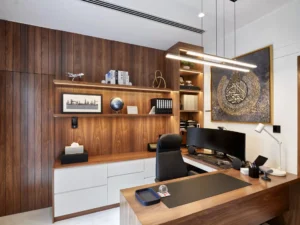
Custom carpentry addresses this problem directly by starting with the real dimensions and quirks of your actual room rather than a generic template. Every measurement, angle, and finish is planned around the specific space it will occupy, meaning uneven walls, tight corners, and unusual layouts become part of the design process rather than obstacles to work around later. The result is joinery and furniture that use every available inch efficiently, fitting the room so precisely that it feels like it was always meant to be there, something that’s simply impossible to achieve with furniture built for an imaginary average space.
Why Craftsmanship Justifies the Higher Price Point
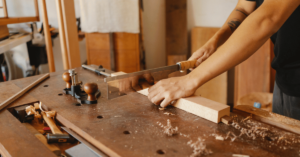
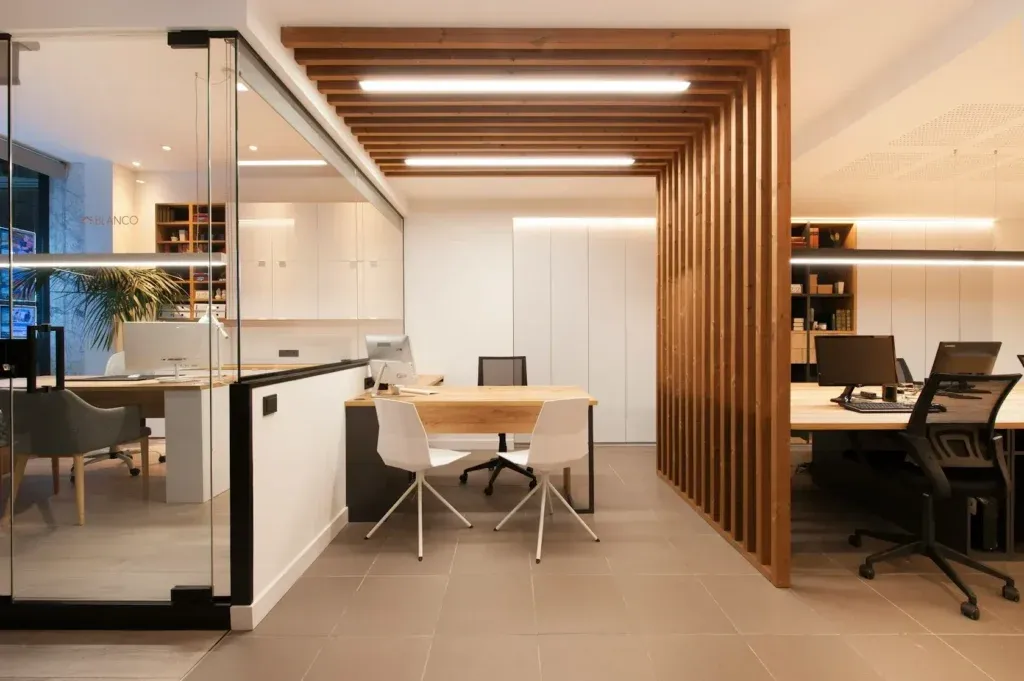
Once the fit problem is solved, the next natural question is whether custom work is really worth paying more for, and this is where construction quality becomes impossible to ignore. Mass-produced furniture is frequently built from particleboard or thin veneers, joined using techniques designed for speed and low manufacturing cost rather than long-term durability. Custom wooden work, by comparison, is typically built using solid wood or high-grade engineered materials, assembled with stronger, time-tested joinery such as dovetail joints and mortise-and-tenon construction. This isn’t a minor technical detail, it’s the difference between furniture that starts looking tired within a couple of years and furniture that holds its structural integrity and actually improves in character over time.
Solving the Personalization Problem Through Real Design Freedom
The second half of the original problem, the lack of personal expression in factory furniture, gets solved through the creative freedom that custom carpentry naturally provides. Rather than choosing from a narrow set of finishes dictated by store inventory, custom work allows you to select the wood species, finish, hardware, and proportions that genuinely reflect your taste and the atmosphere you want your space to have. Whether that means a warm, traditional study, a clean and minimalist kitchen, or a bold, modern reception area for a business, custom carpentry ensures the final result feels like an intentional design choice rather than whatever happened to be available.
Reframing the Cost Conversation Around Long-Term Value
The most common hesitation people have before committing to custom carpentry is the higher upfront cost compared to ready-made alternatives, and it’s a fair concern worth addressing directly rather than glossing over. Ready-made furniture is often replaced within just a few years due to wear, poor fit, or simply a change in taste, while well-built custom pieces are designed to last considerably longer under the same daily use. When the comparison is made over the real lifespan of the piece rather than the initial price tag alone, custom carpentry frequently turns out to be the more economical choice, and it also tends to add genuine resale value to a property, something factory furniture almost never does.
Designing Around Real Daily Habits, Not Generic Assumptions
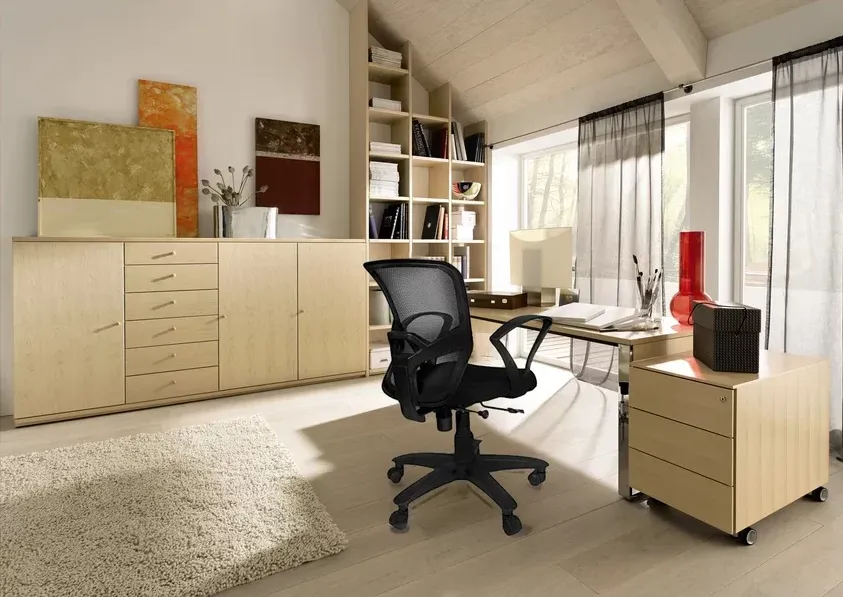
Generic furniture is built to solve generic problems, but real households and businesses operate around specific daily routines that off-the-shelf products were never designed to accommodate. A custom kitchen can be laid out around your actual cookware and cooking habits instead of standardized shelving, a custom wardrobe can be divided to match your real clothing and accessories rather than assumed proportions, and custom office furniture can be built around your specific equipment and cable management needs. These small, tailored details quietly remove daily frustrations that most people simply learn to live with, assuming there’s no better alternative available.
Creating a Space That Feels Designed, Not Assembled
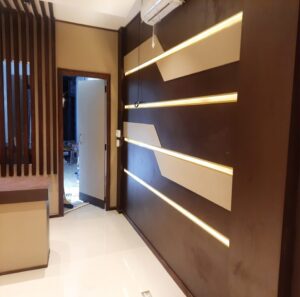
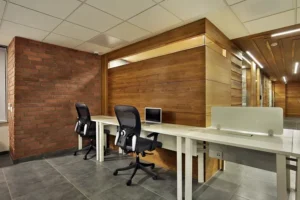
When woodwork is custom-built, it can be designed to align precisely with existing flooring, wall colors, and lighting, producing a cohesive, intentional look rather than a mismatched collection of furniture bought from different sources over time. This matters just as much for businesses as it does for homes, since a consistent, well-integrated interior directly shapes how professional and put-together a space feels to clients and customers, even if they can’t immediately articulate why it feels that way.
Why the Guidance Matters as Much as the Finished Product
Perhaps the most underrated part of choosing custom carpentry is the professional guidance woven into the entire process, from the initial space assessment and material selection through to final installation. This kind of hands-on expertise helps clients avoid costly design mistakes and impractical layouts that are easy to overlook without an experienced eye. For anyone weighing their options, a direct conversation with a team like MTS Interiors & Fitout, easily reached at +971507410235, often clarifies far more in a short call than hours of browsing catalogs or showrooms ever could.
Conclusion
What begins as a familiar, low-grade frustration, a space that never quite feels designed for the people living or working in it, ends up being solved through an investment in precision, durability, and personal expression. While custom wooden work costs more upfront than ready-made alternatives, the combination of superior craftsmanship, tailored functionality, and long-term value makes it a decision most homeowners and businesses come to see as genuinely worthwhile. Partnering with a trusted name like MTS Interiors & Fitout ensures that investment is guided by real expertise from the very first conversation through to the final installed piece.
Frequently Asked Questions
Why does custom carpentry cost more than buying ready-made furniture?
The higher cost reflects the extra time spent measuring your actual space, the use of solid wood or high-grade materials instead of particleboard, and stronger joinery techniques that simply take longer to execute than mass production. When you consider how much longer custom pieces typically last compared to ready-made furniture, the real cost per year of use often ends up being far more reasonable than the upfront price suggests.
How do I know if my space actually needs custom carpentry instead of ready-made furniture?
If you’ve ever struggled to find furniture that fits an awkward corner, an uneven wall, or a room with a non-standard layout, that’s usually a clear sign that custom work would solve a problem ready-made options simply can’t. A quick conversation with a team like MTS Interiors & Fitout at +971507410235 can help assess whether your space would genuinely benefit from a custom approach.
Can custom woodwork be matched to my existing interior design?
Yes, this is one of the main strengths of going custom, since the wood type, finish, and hardware can all be selected specifically to align with your existing flooring, wall colors, and lighting. A good carpentry team will discuss these details with you upfront so the final piece feels integrated rather than added on afterward.
How long does a typical custom carpentry project take from start to finish?
Timelines depend on the scope of the project, but most custom work takes anywhere from a few weeks to a couple of months, covering design, material sourcing, construction, and installation. Larger residential or commercial fit-outs naturally take longer, so it’s worth discussing a realistic timeline before the project begins rather than assuming a fixed schedule applies universally.
Is custom carpentry only worth it for large renovation projects?
Not at all, custom work can be just as valuable for a single piece, such as one built-in wardrobe or a kitchen island, as it is for a full home or office fit-out, since the core benefits of precise fit and lasting quality apply regardless of project size. Speaking directly with an experienced provider helps clarify what makes sense for your specific needs and budget, rather than assuming custom work is reserved only for large-scale renovations.